When severe weather strikes, wind damaged shingles can leave your home vulnerable to water damage and costly repairs. Understanding how to identify and address these issues, particularly when it comes to repairing loose shingles, is essential for maintaining your roof’s integrity and protecting your investment.
Repairing wind damaged shingles requires immediate attention to prevent further damage. High winds can lift, crack, or completely remove shingles, leaving your roof exposed to the elements. If you’re dealing with storm damage, here’s what you need to know:
- Inspect your roof thoroughly for loose, missing, or damaged shingles
- Replace damaged materials promptly to prevent water infiltration
- Secure new shingles properly with appropriate fasteners and sealants
Taking swift action ensures your roof remains protective and durable, even after severe weather events.
About Bacon Roofing
Welcome! I’m John Bacon, founder of Bacon Roofing. With over 25 years in the roofing industry, I’ve helped countless homeowners address wind damaged shingles and restore their roof’s protection. Our team specializes in repairing loose shingles efficiently and effectively, ensuring long-term satisfaction and peace of mind for every client we serve.
Understanding Wind Damaged Shingles
Wind damaged shingles are among the most common roofing issues homeowners face, particularly in storm-prone areas like Texas. Recognizing the signs and understanding the causes helps you respond quickly and prevent extensive damage.
Primary Causes of Shingle Damage
Severe Weather Events
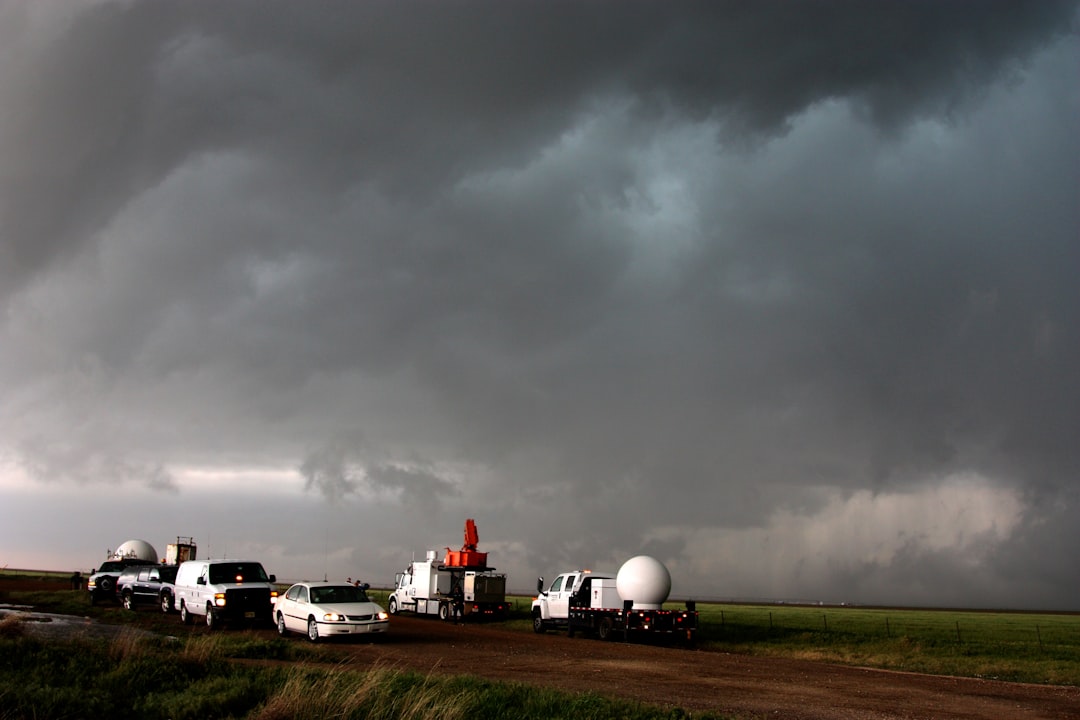
High winds, hurricanes, and tornadoes create tremendous uplift forces that can compromise even properly installed shingles. In Texas, where extreme weather is common, these forces can lift shingle edges, break the seal between layers, and create loose shingles that require immediate attention. Wind speeds as low as 45 mph can begin lifting shingle edges, while speeds above 60 mph can cause significant damage to older or improperly installed roofing materials.
Installation Defects
Poor installation practices often lead to premature shingle failure during wind events. When shingles aren’t nailed in the correct location or lack proper sealant application, they become vulnerable to wind uplift. Repairing loose shingles that result from installation defects often reveals underlying issues that must be addressed to prevent recurring problems.
Age-Related Deterioration
Asphalt shingles typically last 15-25 years, but as they age, they become increasingly susceptible to wind damage. Older shingles lose flexibility, develop cracks, and may have compromised adhesive strips that no longer provide adequate wind resistance. When repairing loose shingles on aging roofs, it’s important to evaluate whether spot repairs are sufficient or if broader roof replacement is more cost-effective.
Professional vs. DIY Repair Considerations
Safety and Skill Requirements
Repairing loose shingles involves working at height with specialized tools and materials. Professional roofers have the training, equipment, and experience to work safely while ensuring repairs meet industry standards. DIY repairs, while potentially cost-saving, carry significant risks including personal injury, improper installation, and voided manufacturer warranties.
When to Call Professionals
Contact professional roofers when dealing with:
- Multiple damaged areas across the roof
- Structural damage beyond simple shingle replacement
- Wind damaged shingles on steep or complex roof designs
- Situations requiring specialized safety equipment
Professional repair ensures proper installation techniques, appropriate materials, and warranty protection for your investment.
Step-by-Step Shingle Repair Process
Initial Assessment and Preparation
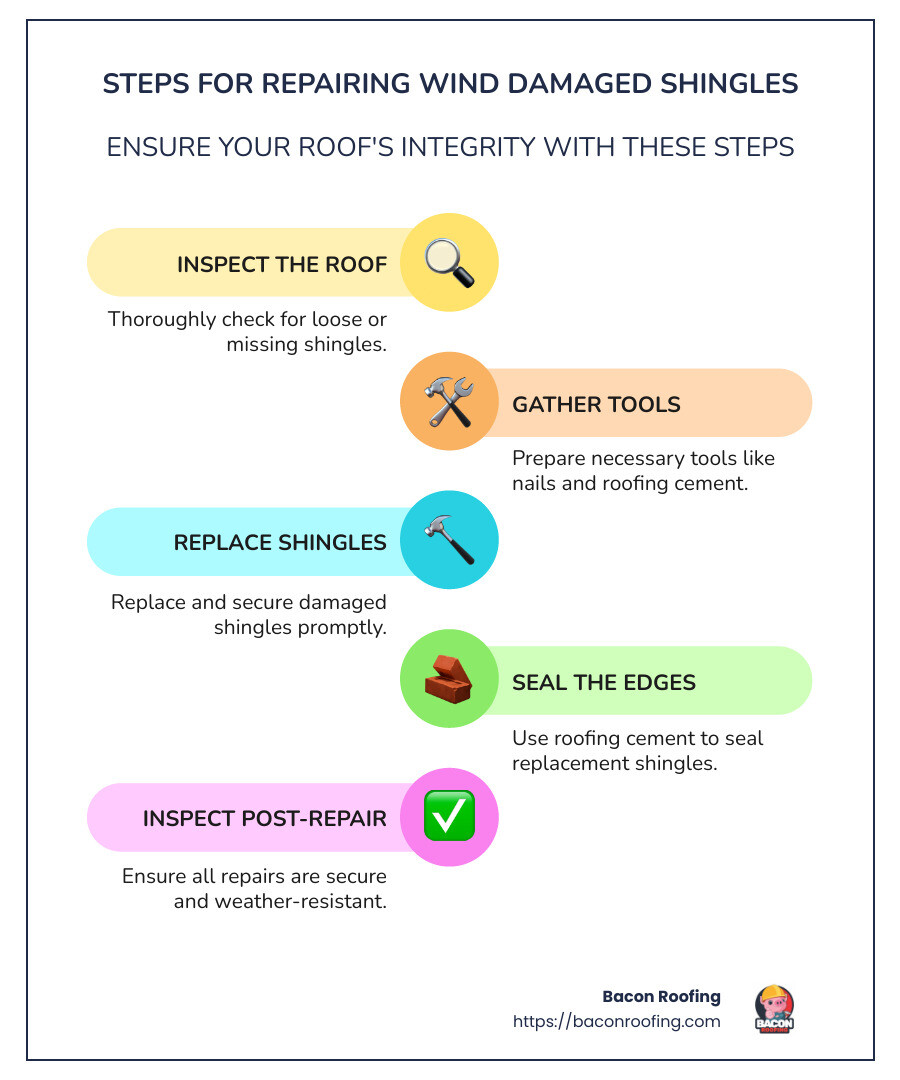
Before beginning any repair work, conduct a thorough inspection to identify all areas requiring attention. Look for lifted shingles, missing granules, exposed nail heads, and signs of water infiltration. Document damage with photographs for insurance purposes and to track repair progress.
Essential Tools and Materials
Successful repairing loose shingles requires:
- Replacement shingles matching existing color and style
- Galvanized roofing nails (1¼ inch minimum length)
- Roofing cement or sealant
- Pry bar for removing damaged materials
- Hammer for securing new shingles
- Utility knife for trimming materials
- Safety equipment including non-slip shoes and ladder
Repair Execution
Removing Damaged Shingles
Carefully lift surrounding shingles to access damaged areas. Remove nails holding the damaged shingle, taking care not to damage adjacent materials. Clean the area of debris and inspect the underlying roof deck for damage.
Installing Replacement Shingles
Position new shingles to align with existing patterns, ensuring proper overlap and exposure. Secure with roofing nails placed in the manufacturer’s designated nail zone, typically 5-6 inches from the bottom edge. Apply roofing cement under shingle edges for additional wind resistance.
Sealing and Finishing
Apply roofing cement to seal all edges and nail heads, creating a watertight barrier. Press down firmly on all shingle edges to ensure proper adhesion. Inspect the completed repair to verify alignment and secure attachment.
Preventive Maintenance for Long-Term Protection
Regular Inspection Schedule
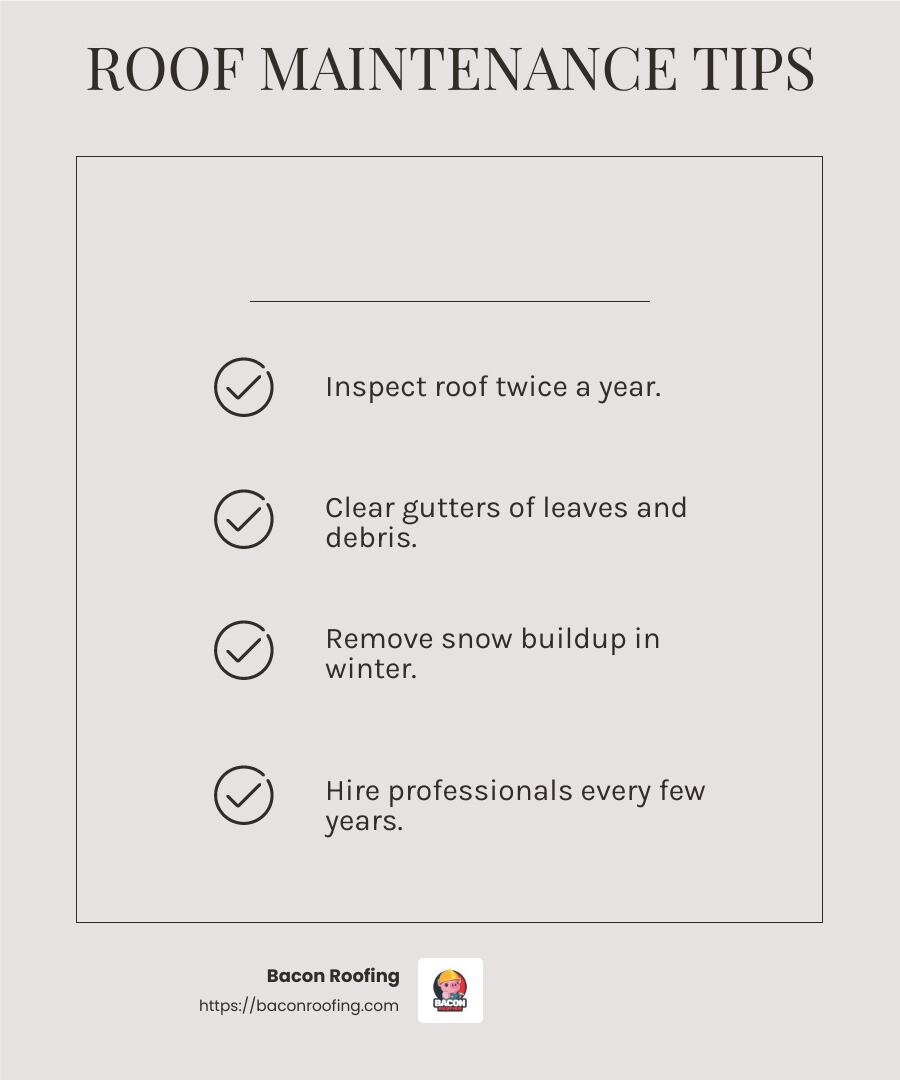
Implement bi-annual roof inspections, ideally in spring and fall, to identify potential issues before they become major problems. Look for signs of wind damaged shingles including lifted edges, missing granules, and loose or exposed fasteners.
Maintenance Best Practices
Keep gutters clean and properly aligned to prevent water backup that can compromise shingle edges. Trim overhanging tree branches that could damage shingles during storms. Address minor issues promptly to prevent them from developing into larger, more expensive problems.
Professional Maintenance Services
Consider annual professional inspections, especially for older roofs or homes in high-wind areas. Professional roofers can identify subtle signs of deterioration and perform preventive maintenance that extends roof life and reduces the likelihood of emergency repairs.
When to Consider Roof Replacement
If repairing loose shingles becomes a frequent necessity, it may be more cost-effective to replace the entire roof. Consider replacement when:
- Shingles are approaching their expected lifespan
- Damage affects more than 30% of the roof surface
- Underlying structural issues are discovered
- Energy efficiency improvements are desired
Conclusion
Wind damaged shingles require prompt attention to maintain your home’s protection and value. Whether you’re repairing loose shingles yourself or working with professionals like Bacon Roofing, understanding the process and importance of quality repairs ensures your roof continues protecting your family and investment for years to come.
For expert assistance with wind damaged shingles or comprehensive roof maintenance, contact Bacon Roofing at 972-772-1999. Our experienced team provides reliable, professional storm damage service throughout the DFW area, ensuring your roof receives the care it deserves.